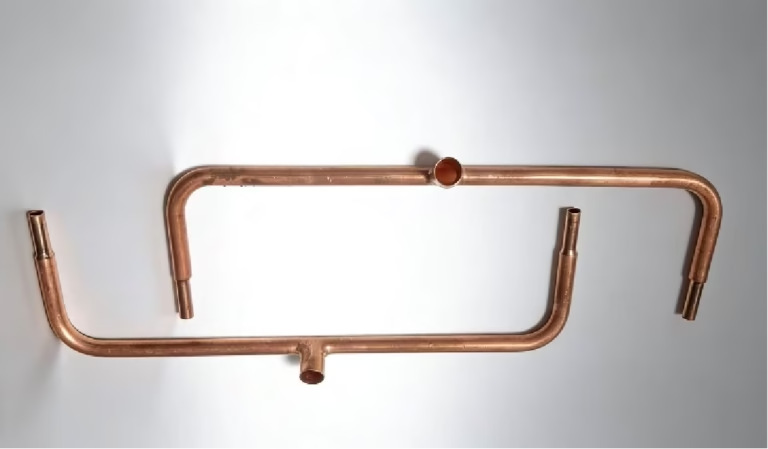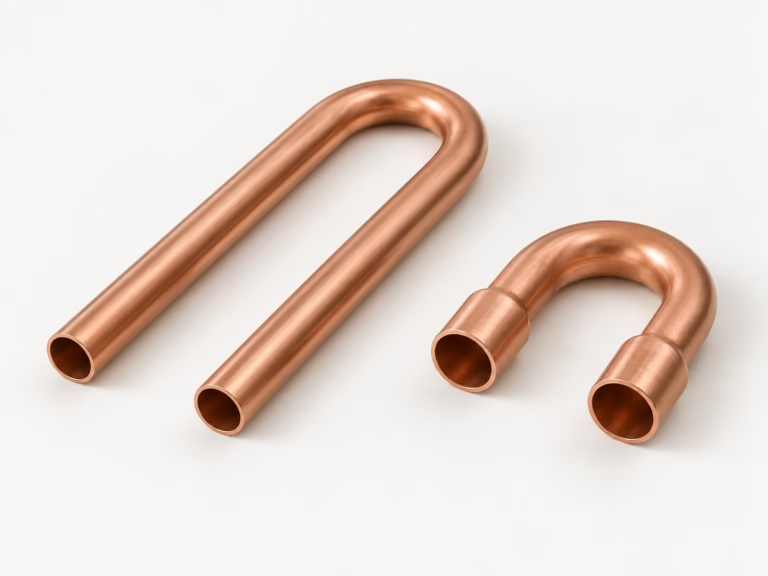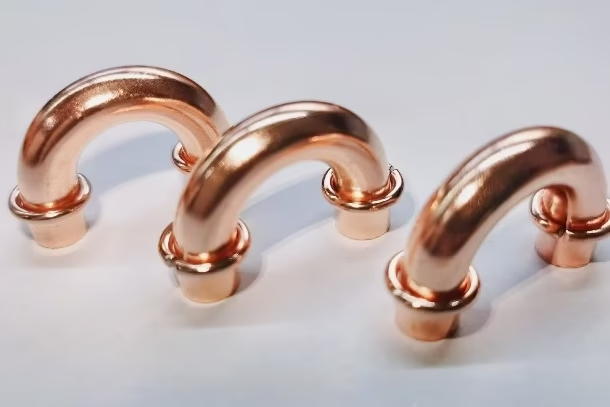
Copper tube bending is a common manufacturing process for refrigeration, HVAC, heat exchangers, and custom fluid-handling assemblies. It allows straight copper tubing to be formed into elbows, U-bends, return bends, and more complex routing configurations without adding a separate fitting at every direction change.
A successful bend must maintain the required shape while controlling wall thinning, flattening, wrinkling, and surface damage. The result depends on tube diameter, wall thickness, material temper, bend radius, and tooling.
For OEM copper tube components, the bend radius and tube condition should be selected together. A tighter radius saves installation space but generally increases the risk of deformation.
This guide covers common bending methods, radius selection, manufacturing defects, and practical design considerations.
What Is Copper Tube Bending?
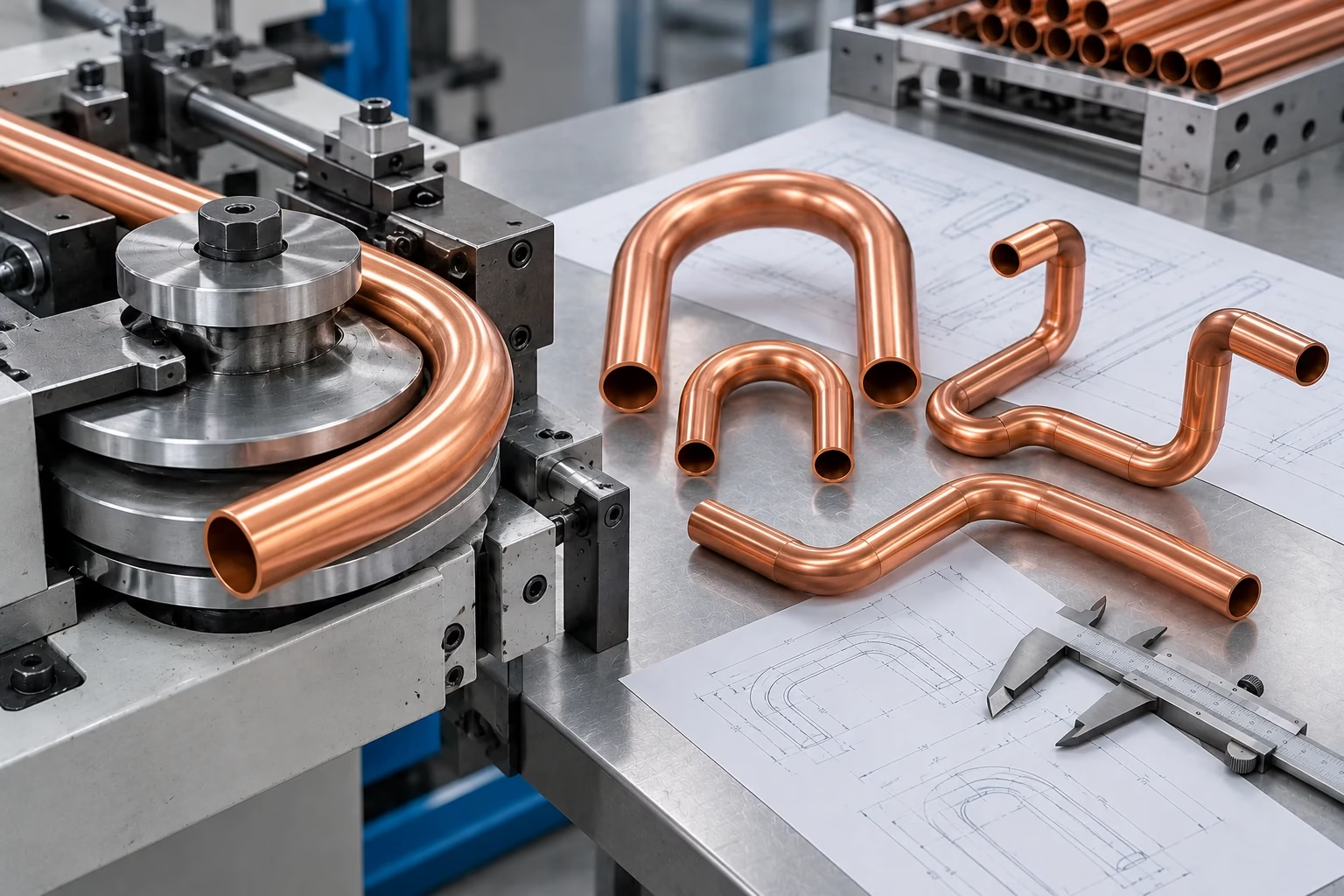
Copper tube bending is the process of forming a straight tube into a specified angle or curve using mechanical force and suitable tooling.
Unlike joining two straight tubes with an elbow fitting, bending creates a continuous tube path. This can reduce the number of joints and simplify certain refrigeration assemblies.
Common bend angles include 45°, 90°, and 180°, although custom assemblies may require several bends in different directions.
Copper is suitable for this process because of its ductility. Annealed copper tubing is generally easier to form than hard-drawn tubing, especially when tighter bends are required.
The manufacturing objective is not simply to achieve the correct angle. The finished component must also meet dimensional and cross-sectional requirements.
Common Copper Tube Bending Methods
Different bending methods are used according to tube geometry, production quantity, and dimensional requirements.
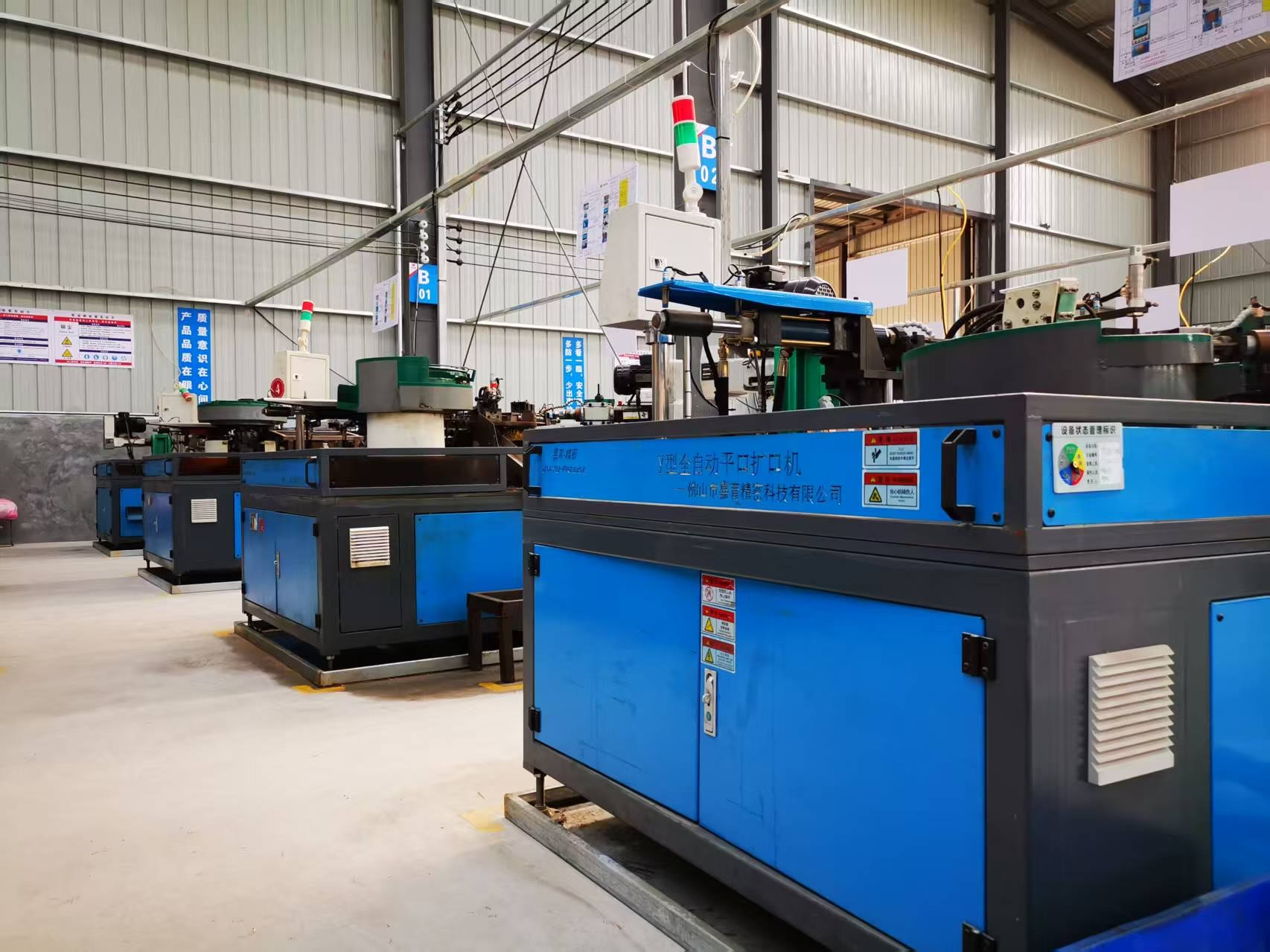
Rotary Draw Bending
Rotary draw bending uses a shaped bend die to pull the tube around a controlled radius. Clamping and pressure tooling support the tube during forming.
This process is widely used for repeatable bends and can be combined with programmable equipment for multi-bend assemblies.
It is suitable for U-bends, elbows, and copper tubing components that require consistent bend angles and positions.
Mandrel Bending
Mandrel bending uses internal support to help maintain the tube cross-section during forming. It is particularly useful for thin-wall tubing and tight-radius bends.
The mandrel reduces the risk of excessive flattening and inward collapse. Additional support tooling may be used to control wrinkles on the inside of the bend.
Mandrel selection and positioning are important because incorrect support can damage the tube or produce inconsistent dimensions.
Compression and Roll Bending
Compression bending forms the tube around a fixed die using external pressure. It is generally suited to less demanding bends where the required accuracy and cross-sectional quality can be achieved without internal support.
Roll bending uses rollers to form larger-radius curves gradually. It is useful for sweeping bends rather than compact return bends.
For production work, the process should be selected according to geometry and quality requirements rather than equipment speed alone.
How to Determine Copper Tube Bend Radius
The bend radius is one of the most important dimensions in copper tube forming.
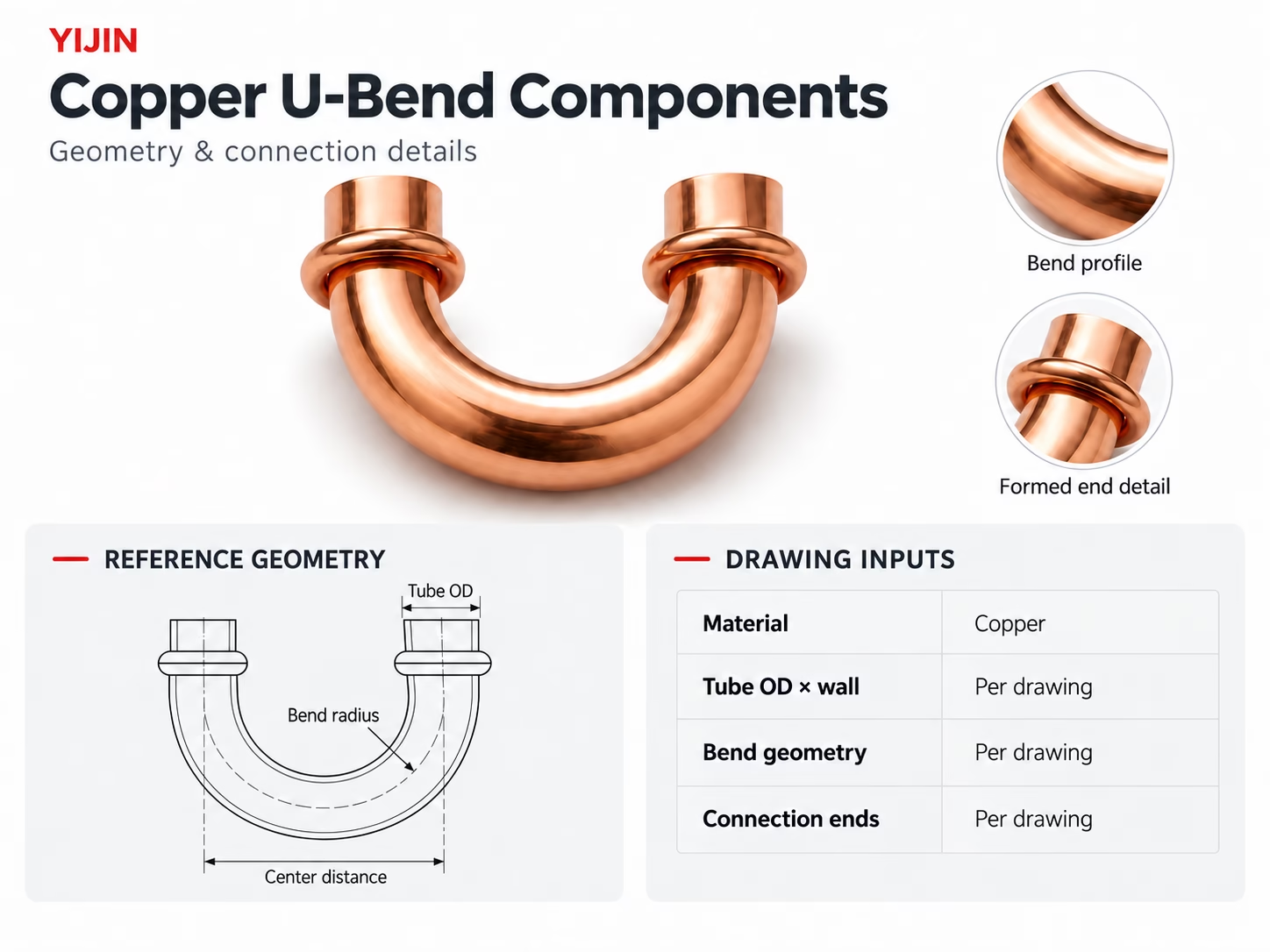
It is normally specified as the centerline radius (CLR), measured from the center of the bend to the centerline of the tube.
A common engineering comparison is the bend-radius ratio:
Bend radius ratio = CLR / tube OD.
For example, a copper tube with a 10 mm outside diameter and a 30 mm centerline radius has a bend-radius ratio of 3D.
A larger ratio generally makes bending easier, while a smaller ratio increases deformation risk.
However, there is no single minimum bend radius suitable for every copper tube. Material temper, wall thickness, tooling, and acceptable ovality must also be considered.
The Copper Development Association provides bend-radius references for selected copper tube types and conditions. These are useful for preliminary design, but they should not be treated as universal minimums for custom refrigeration tubing.
For compact components, manufacturers should verify the requested radius against the selected material and forming process before finalizing the drawing.
How Tube Diameter, Wall Thickness and Temper Affect Bending
Three material characteristics have a major influence on bending results.
Tube diameter: Larger tubes generally require greater forming force. For the same bend radius, a larger diameter also creates a tighter bend-radius ratio.
Wall thickness: Thin-wall tubes are more susceptible to flattening, wrinkling, and local buckling. Greater wall thickness can improve cross-sectional stability, although it may increase forming force.
Material temper: Annealed copper is more ductile and generally offers greater forming flexibility. Hard-drawn copper may require a larger radius or different processing conditions.
These factors should be considered together. For example, two tubes with the same outside diameter may require different bending setups if their wall thicknesses or material conditions differ.
For precision assemblies, trial bending can establish whether the selected combination meets the drawing requirements.
Common Copper Tube Bending Problems and Solutions
Improper bending conditions can create defects that affect component fit, appearance, or service performance.
| Bending Problem | Common Cause | Practical Solution |
|---|---|---|
| Wrinkling | Compression on the inner bend | Improve support tooling or increase radius |
| Flattening | Insufficient tube support | Use suitable dies or internal mandrel support |
| Wall thinning | Excessive stretching on the outer bend | Review radius, material and forming conditions |
| Cracking | Low ductility or excessive deformation | Check temper, radius and tube condition |
| Springback | Elastic recovery after forming | Adjust bending program and tooling compensation |
| Surface marks | Tool wear or unsuitable contact pressure | Inspect tooling and contact surfaces |
Wrinkling occurs mainly along the inside of the bend, where the material is compressed.
Flattening occurs when the circular tube cross-section becomes oval. This can reduce internal flow area and interfere with mating connections.
Wall thinning takes place mainly on the outside of the bend as the material stretches.
For refrigeration components, defects should be evaluated against the approved drawing and operating requirements rather than appearance alone.
Design Guidelines for Custom Bent Copper Tubing
Good component design can reduce manufacturing problems and unnecessary tooling adjustments.
Where space allows, use a larger bend radius to reduce deformation risk. Avoid specifying very tight bends unless they are necessary for the equipment layout.
Provide sufficient straight length for clamping, end forming, and joining. Closely spaced bends may require specialized tooling or a different manufacturing sequence.
For multi-bend assemblies, clearly define bend angles, rotation angles, straight sections, and datum positions.
The drawing should identify all critical dimensions and tolerances. Specifying unnecessarily tight tolerances across every feature can increase inspection and manufacturing costs.
When the tubing will carry refrigerant, also define the required cleanliness, connection method, and applicable inspection or leak-test criteria.
Copper Tube Bending Applications in HVAC and Refrigeration
Copper tube bending is used to manufacture components for evaporators, condensers, refrigeration circuits, and other heat transfer equipment.
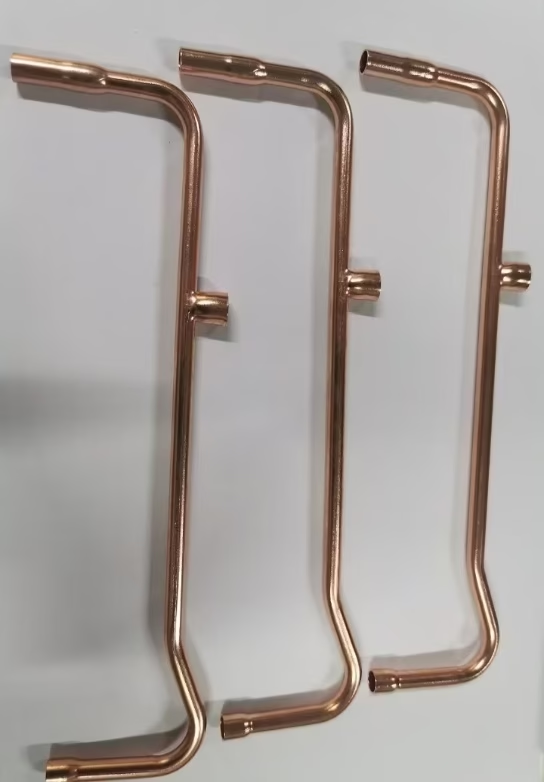
Return Bends and U-Bends
Compact 180-degree bends connect tube circuits in heat exchangers. Center distance, bend radius, and end alignment are important for assembly.
Formed Copper Tube Assemblies
Multiple bends allow tubing to pass around adjacent equipment and connect components within restricted installation spaces.
Refrigeration Connections
Bent copper tubes are used in compressor connections, heat pump assemblies, and other refrigerant circuit components where their design is approved.
Custom Copper Tube Bending Services from Yijin
Yijin manufactures drawing-based copper tube components for refrigeration and HVAC/R applications, including U-bends, return bends, and formed copper tube assemblies.
We review customer drawings for tube material, outside diameter, wall thickness, bend radius, bend angles, straight lengths, and connection requirements.
Our Formed Copper Tube Assemblies are intended for OEM projects requiring customized tube geometry.
For a quotation, send us your engineering drawing or sample, material requirements, critical tolerances, inspection criteria, and estimated order quantity. Our team can review the manufacturing feasibility and component requirements.
Frequently Asked Questions
1. What is the best method for bending copper tubing?
The best method depends on tube diameter, wall thickness, material temper, bend radius, and required accuracy. Rotary draw bending is suitable for repeatable precision components, while mandrel-supported bending helps control deformation in thin-wall or tight-radius tubing. For large sweeping curves, roll bending may be appropriate. The method should be selected based on the drawing requirements.
2. What is the minimum bend radius for copper tubing?
There is no universal minimum bend radius for all copper tubing. The allowable radius depends on material temper, wall thickness, tube diameter, tooling, and deformation limits. Annealed copper generally permits tighter bends than hard-drawn copper. Manufacturers should confirm the proposed radius through applicable material guidance, tooling capability, and trial bending where necessary.
3. Can copper tubing be bent without cracking?
Yes. Copper tubing can be bent successfully when the material condition, bend radius, and tooling are suitable. Cracking is more likely when a tube is too hard, the radius is excessively tight, or the material experiences excessive deformation. Choosing the correct temper and controlling the forming process can substantially reduce cracking risk.
4. Why does copper tubing flatten during bending?
Flattening occurs when the tube cross-section cannot maintain its circular shape under bending forces. Thin walls, tight radii, and insufficient tooling support increase the risk. Suitable bending dies, internal support, and a larger radius can help reduce ovality. The acceptable amount of flattening should be specified according to the component application.
5. What information is needed for custom copper tube bending?
Provide the copper grade and temper, tube outside diameter, wall thickness, bend radii, bend angles, straight lengths, and final component dimensions. For multi-bend parts, include bend rotations and clear datum references. The drawing should also identify critical tolerances, connection-end requirements, inspection criteria, and the expected production quantity.
6. Does Yijin provide custom copper tube bending for OEM projects?
Yijin manufactures custom copper tubing components according to customer drawings for refrigeration and HVAC/R equipment. Our product range includes U-bends, return bends, and formed tube assemblies with different geometries and connection requirements. Customers can submit technical drawings, material specifications, dimensional requirements, and estimated quantities for manufacturing review and quotation.