Fit starts with tube geometry
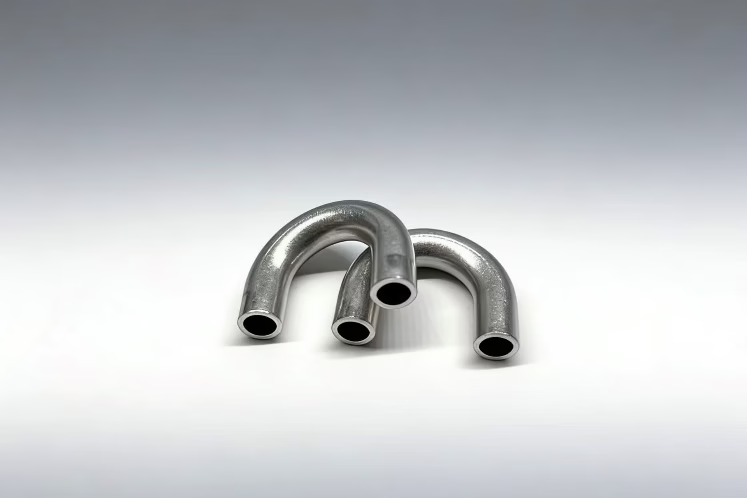
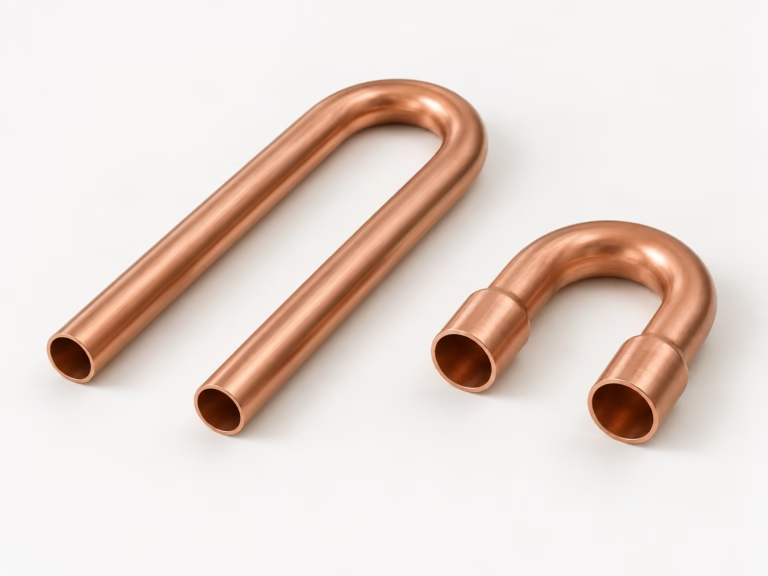
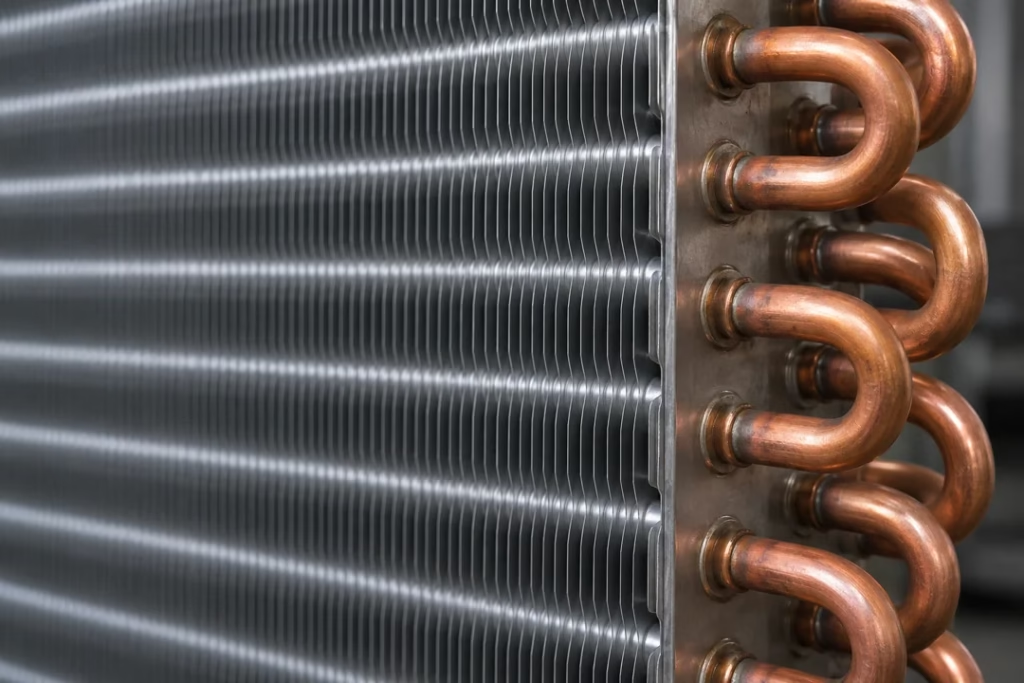
In condenser and evaporator assemblies, copper return bends must align with the connected tubes for proper installation. Tube center distance, bend radius, and end dimensions should match the equipment design to ensure accurate fit and reliable connections.
Accurate Tube Geometry
Copper tube assemblies must match the equipment layout. Tube diameter, center distance, bend radius, and straight lengths should be controlled to ensure proper alignment and installation.
Reliable Connection Fit
Tube ends must match the dimensions of mating components. Proper end forming and connection preparation help ensure secure joints and reduce the risk of refrigerant leakage.
Compact Tube Routing
HVAC equipment often has limited installation space. Custom bends and branch connections allow copper tubes to fit around other components while maintaining the required flow path.
Consistent Assembly Quality
Copper tube assemblies must maintain accurate dimensions and clean internal surfaces across production batches. Consistent quality helps reduce assembly problems and supports reliable equipment operation.
Return connections for heat exchangers
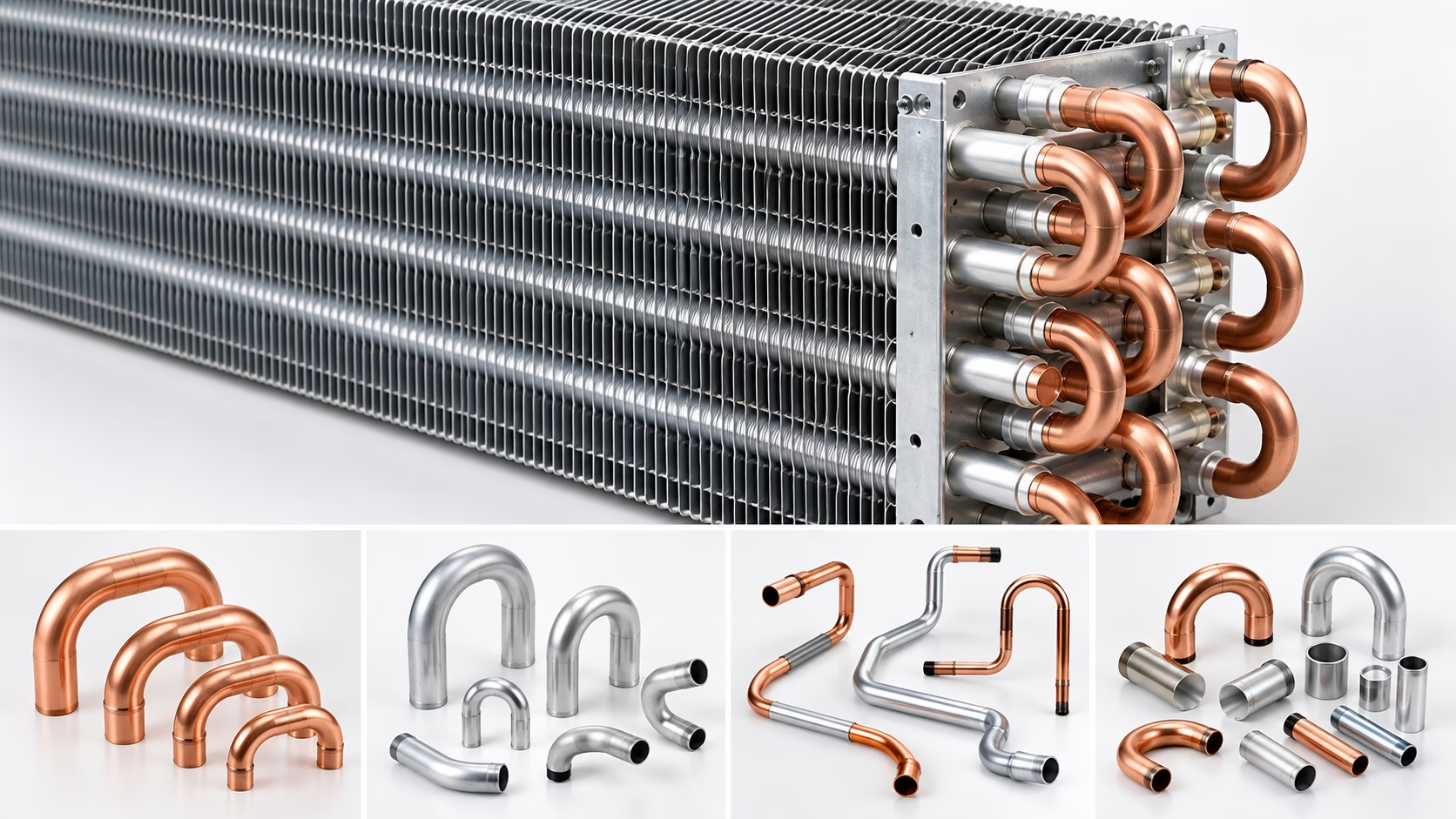
Yijin supplies copper U-bends, copper return bends, aluminum bends and formed tube components for heat exchanger connection review.
The component drawing defines the return path, connection ends and material requirements. Review these details alongside your assembly and joining specifications.
Copper and aluminum bend options
Select a component family, then confirm the details against your drawing.
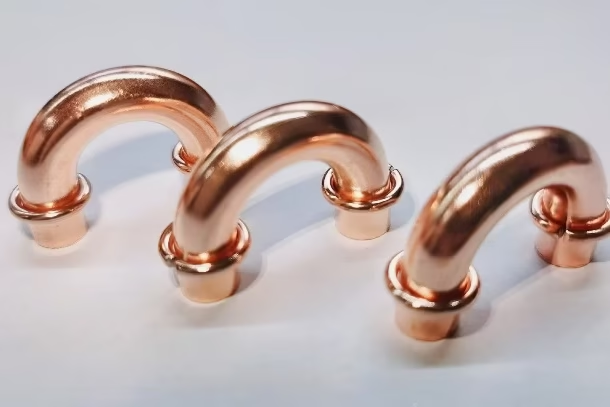
Copper return connections
Review tube pitch, bend geometry and plain or formed connection ends. Explore copper return bends →
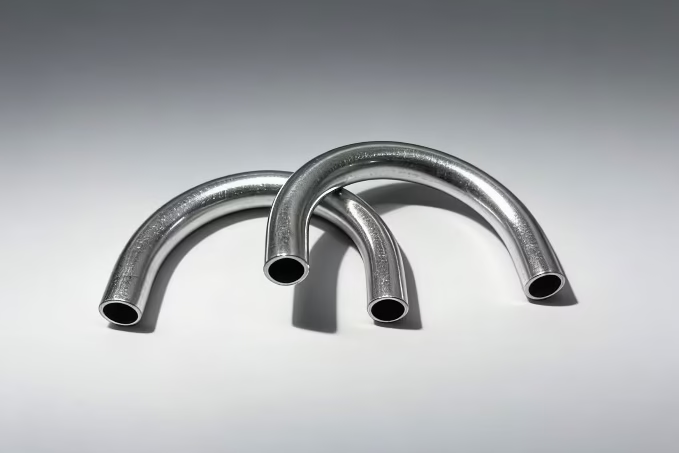
Aluminum return connections
Specify material, wall thickness and the required tube interfaces. Explore aluminum bends →
Review the part, then approve the sample
Provide the part drawing and tube-layout reference. Agree the dimensions controlling fit and the sample inspection scope before confirming the production component.
Share the geometry: Include tube spacing, diameter and material.
Confirm the ends: Review leg lengths and mating-end dimensions.
Review the sample: Check fit against the agreed drawing.
Approve the specification: Confirm revision, inspection needs and order quantity.