In refrigeration and HVAC manufacturing, a fitting's job is simple to describe but unforgiving to execute: it must connect the right ports, hold the system pressure, keep the inside clean, and match the drawing on every unit on the customer's line. Yijin's production system was built around those three requirements — dimensions, strength and cleanliness.
A workshop organized around traceability
Our production workshop handles copper and aluminum processing in defined stages: cutting, end forming, tee forming, bending, return-bend forming, inspection and protective packaging. Pressure, temperature and speed are logged at the core forming stations, so that a produced batch can be traced back to the process conditions under which it was made. If a future question arises about a shipment, we can review the recorded parameters instead of relying on memory.


Approval before a process change
Once a process window is settled for a part number, we do not adjust it casually. Changes to forming pressure, die setup, bend radius or cleaning method go through an approval step before they reach the production line. This protects the repeatability that buyers count on between trial samples and repeat orders.
Dimensional consistency before the parts leave the floor
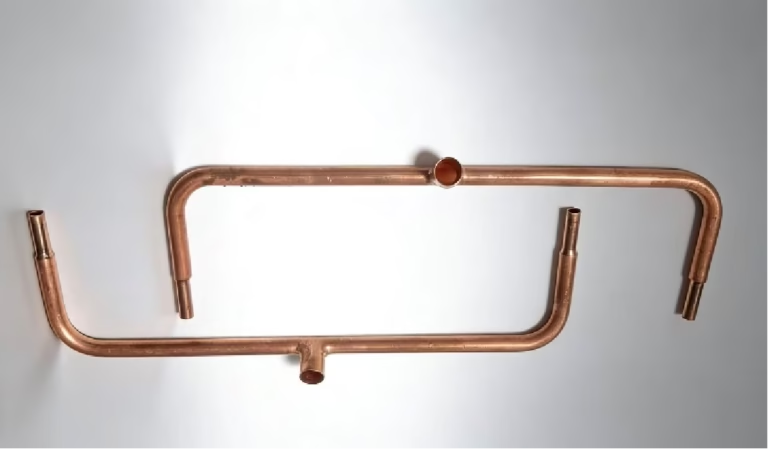
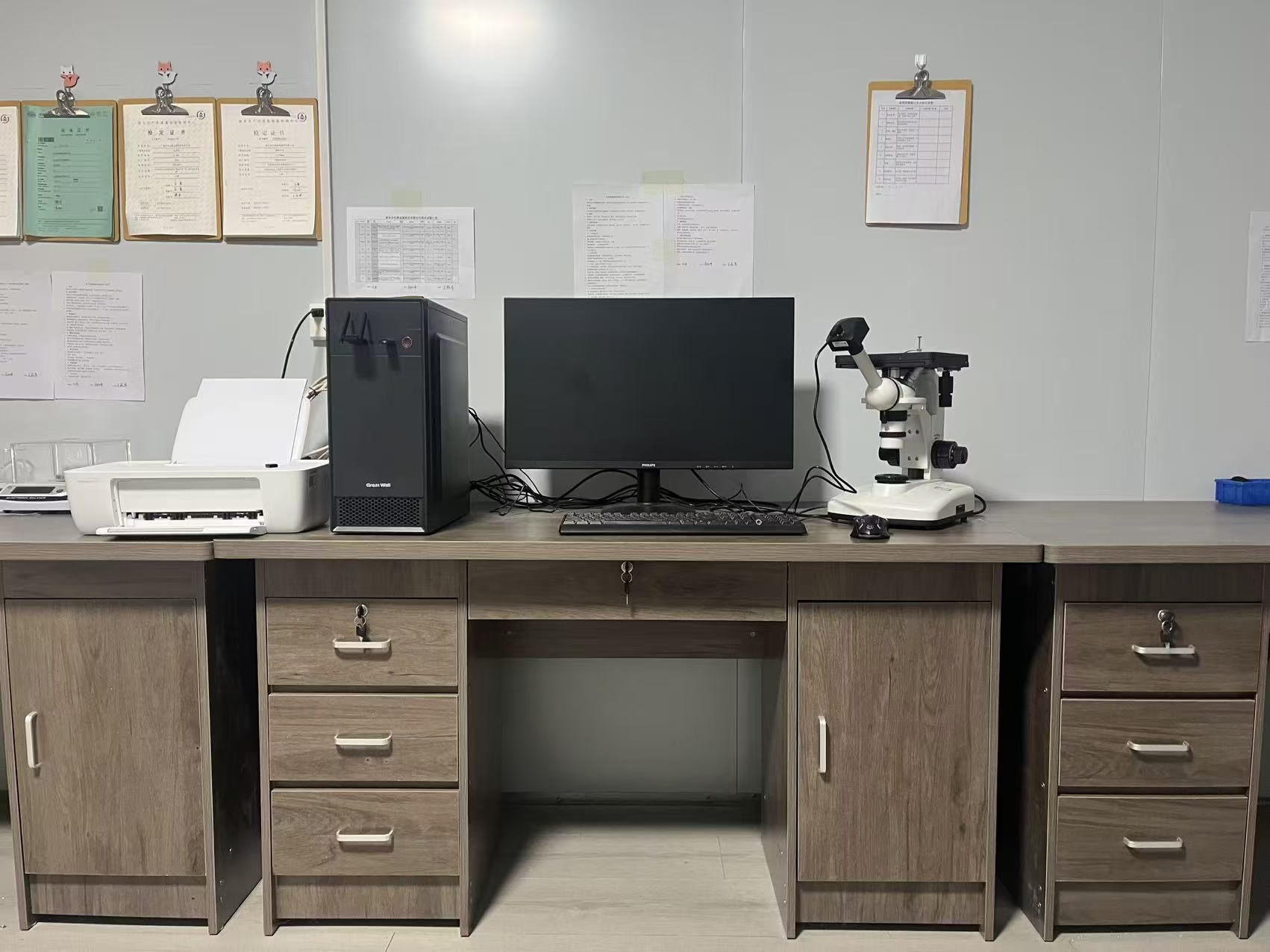
Before production starts, our team confirms the drawing dimensions, connection geometry and stated tolerances. During and after production, dimensional inspection covers run and branch diameters, wall thickness, port orientation, center-to-center distance, bend radius, leg length and end configuration, matched to the approved component drawing. An optical inspection workstation is used for surface and geometry review where the application calls for it.
Laboratory support tied to the order's acceptance criteria
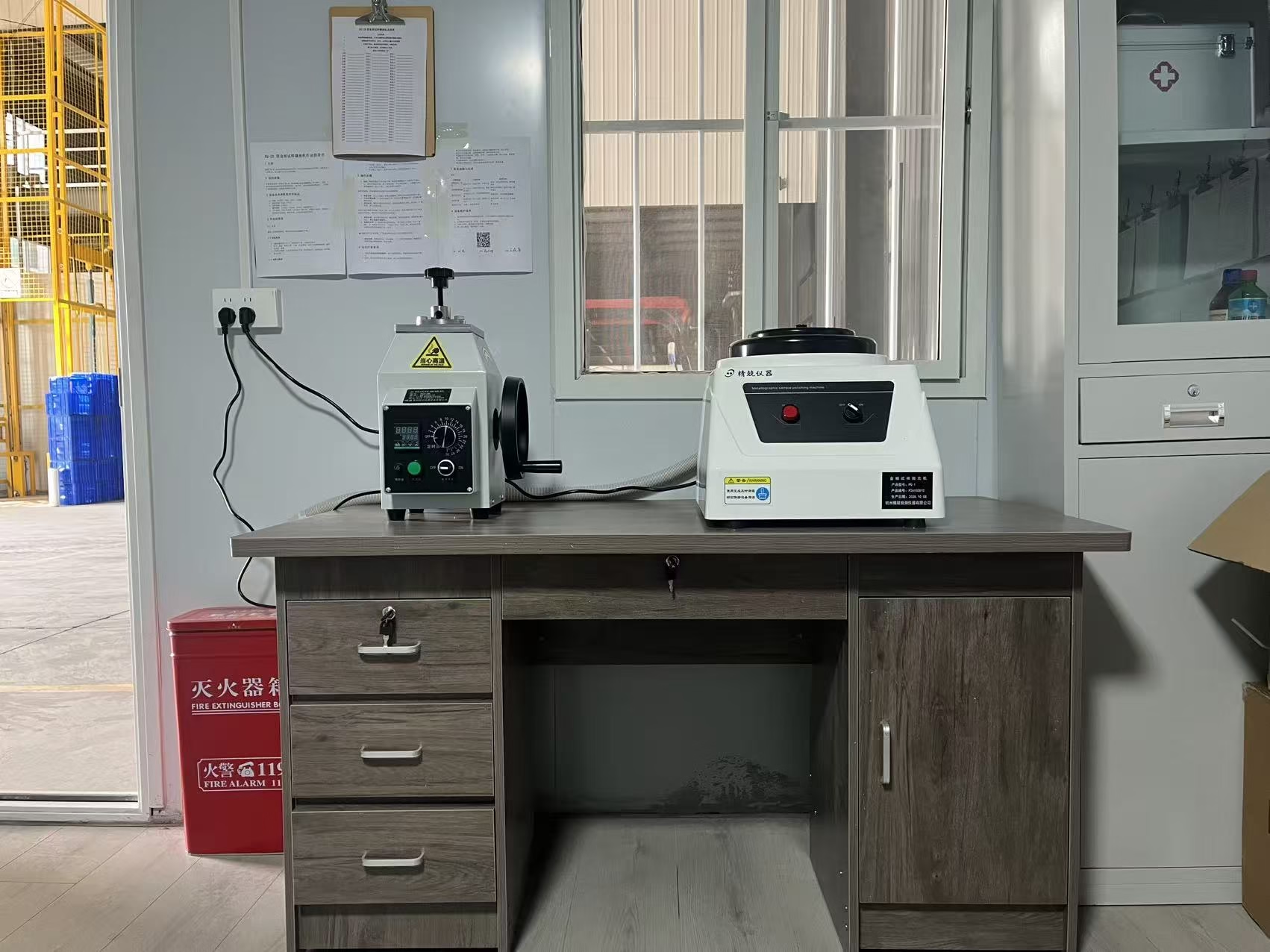
Our mechanical testing laboratory supports product evaluation rather than running generic tests on every order. The test scope — what to measure, by which method, against which acceptance criterion — is agreed with the buyer before production starts. That keeps reports meaningful for the specific component and the specific application.
Cleanliness: a requirement for refrigeration systems
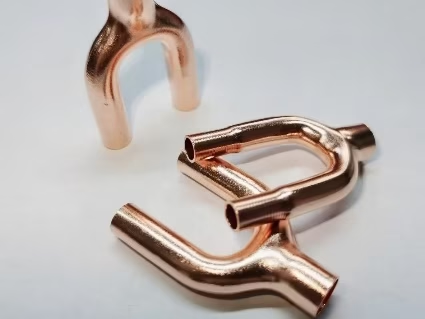
A tee or return bend installed inside a condenser, evaporator or air-conditioning manifold carries refrigerant through the system. Internal chips, cutting fluid residue or loose particles are not acceptable. Our cleanliness control covers forming practice, in-process rinsing where required, inspection and sealed protective packaging so parts arrive ready for assembly.
Why this matters to overseas buyers
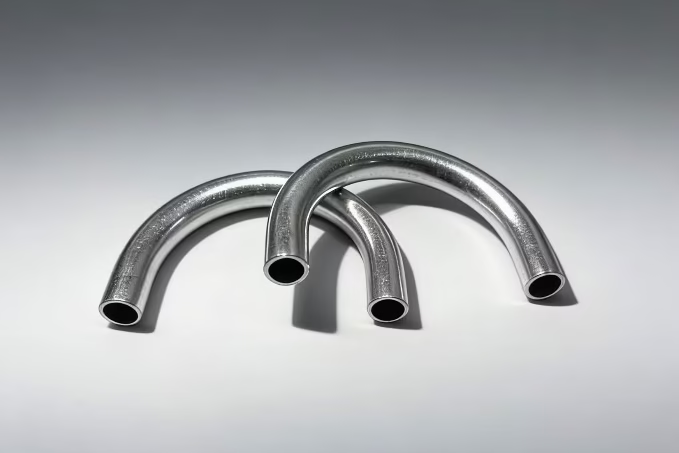
Component buyers on the HVAC/R side usually do not ask for a clever fitting — they ask for a fitting that behaves the same in month one, month six and year three. Process data records, approval-controlled changes, laboratory-backed inspection and protective packaging are the mechanics behind that consistency. Whether your project is a copper branch fitting for a refrigeration unit or an aluminum U-bend for a compact heat-exchanger layout, the first conversation should start with your drawing and acceptance requirements.
Send your drawing — Yijin reviews alloy, geometry, tolerances, quantity and inspection requirements before quoting. Contact our team with the component drawing, application and target delivery date.