Copper and aluminum tubing are widely used in refrigeration, air conditioning, and heat exchanger manufacturing. Both materials provide good thermal conductivity, but they differ in weight, cost, corrosion behavior, forming characteristics, and joining requirements.
Copper is generally preferred when established joining methods, field serviceability, and complex tube assemblies are priorities. Aluminum is often selected for lightweight designs and material cost reduction, particularly in systems engineered around aluminum components.
The right choice depends on operating conditions, tube geometry, manufacturing processes, and total assembly cost. This guide compares copper and aluminum tubing to help HVAC/R engineers and OEM buyers select materials for new equipment or component replacement.
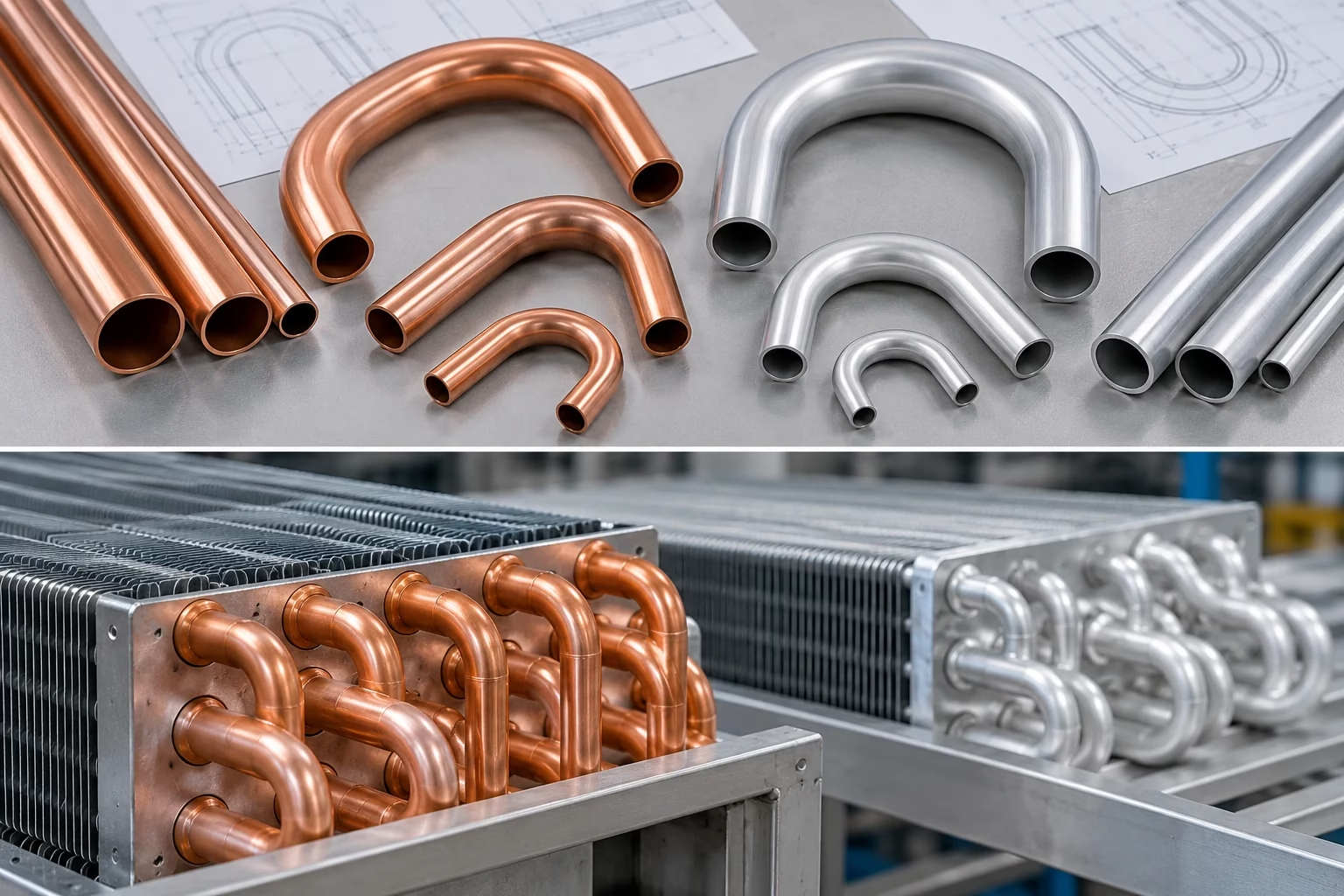
Copper vs Aluminum Tubing: Key Differences
The following table summarizes the main differences between copper and aluminum tubing used in refrigeration equipment.
| Property | Copper Tubing | Aluminum Tubing |
|---|---|---|
| Thermal conductivity | Approx. 390–400 W/m·K | Approx. 200–235 W/m·K |
| Density | Approx. 8.9 g/cm³ | Approx. 2.7 g/cm³ |
| Material cost | Generally higher | Generally lower |
| Weight | Heavier | Lighter |
| Formability | Excellent with suitable tube condition | Depends strongly on alloy and temper |
| Joining | Established brazing and soldering processes | Requires aluminum-compatible joining methods |
| Corrosion resistance | Good in many HVAC/R environments | Good with suitable alloy and environmental protection |
| Typical applications | Refrigerant lines, return bends, formed assemblies | Aluminum coils, return bends, lightweight tube assemblies |
Values are approximate material references. Actual performance depends on alloy, temper, tube dimensions, and service conditions.
Neither material is suitable for every refrigeration system. Copper offers manufacturing flexibility, while aluminum provides weight and cost advantages when the equipment is designed for its specific properties.
Heat Transfer Performance
Copper conducts heat more efficiently than aluminum. At room temperature, copper has a thermal conductivity of approximately 390–400 W/m·K, compared with approximately 200–235 W/m·K for common aluminum grades.
This difference can be important in heat exchanger design, where heat must pass through the tube wall between the refrigerant and surrounding air or fluid.
However, higher thermal conductivity does not automatically mean a more efficient refrigeration system. Overall heat transfer also depends on tube diameter, wall thickness, fin design, airflow, refrigerant flow, and operating conditions.
For example, an aluminum heat exchanger can achieve the required cooling capacity through suitable tube geometry and surface design. Copper tubes can also use smaller diameters and internal enhancements to improve heat transfer.
Engineers should therefore compare the complete heat exchanger design rather than selecting tubing based on thermal conductivity alone.
Weight and Material Cost
Aluminum has a density of approximately 2.7 g/cm³, while copper has a density of approximately 8.9 g/cm³.
For tubes with identical dimensions, aluminum weighs roughly 70% less than copper. This difference can reduce the weight of heat exchanger assemblies, transportation loads, and supporting structures.
Aluminum also generally has a lower raw material cost. It can be an economical choice for equipment manufactured in large quantities.
Copper costs more per kilogram, but its established forming and joining processes may simplify manufacturing for certain designs. Replacing copper with aluminum can require changes to joining equipment, tooling, inspection, and component interfaces.
For OEM purchasing, the most useful comparison is the total cost of the finished assembly, including materials, processing, quality control, installation, and maintenance.
Corrosion Resistance and Service Life
Both copper and aluminum develop protective surface layers, but their corrosion behavior differs.
Copper performs well in many refrigeration applications. However, exposure to certain organic acids, ammonia-containing compounds, or aggressive environments can cause corrosion and eventual leakage.
Aluminum also offers good corrosion resistance under suitable conditions. Its protective oxide layer helps reduce surface deterioration, although moisture, salts, unsuitable chemicals, and contact with dissimilar metals can create corrosion risks.
Special attention is required when copper and aluminum components are connected. In the presence of moisture or another conductive electrolyte, direct electrical contact can lead to galvanic corrosion.
Protective joint designs, suitable connectors, coatings, or electrical isolation may be necessary.
For equipment installed in coastal, industrial, or chemically aggressive environments, the material and corrosion protection should be selected together.
Bending, Forming and Joining
Tube manufacturing requirements often determine whether copper or aluminum is the more practical material.
Copper Tube Bending and Joining
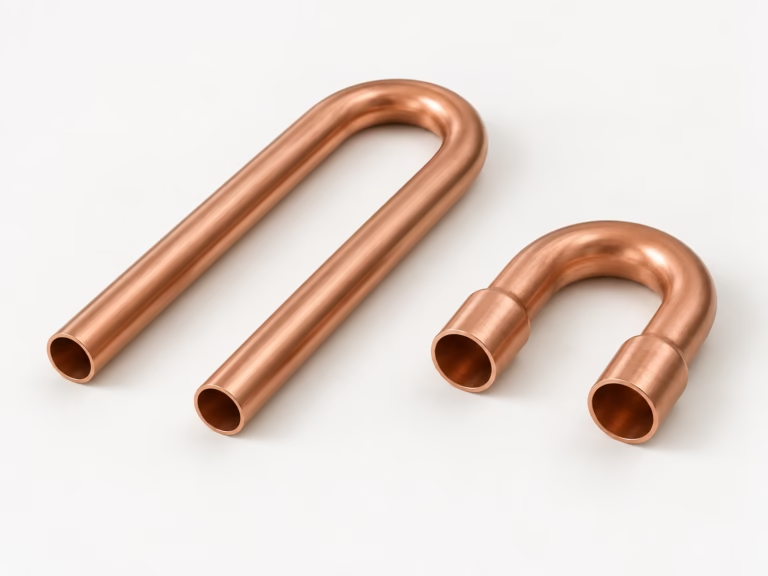
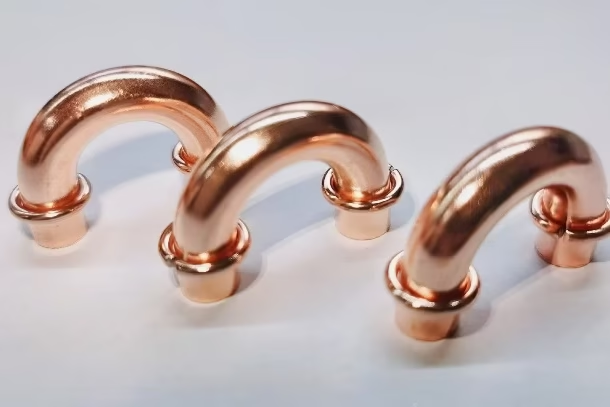
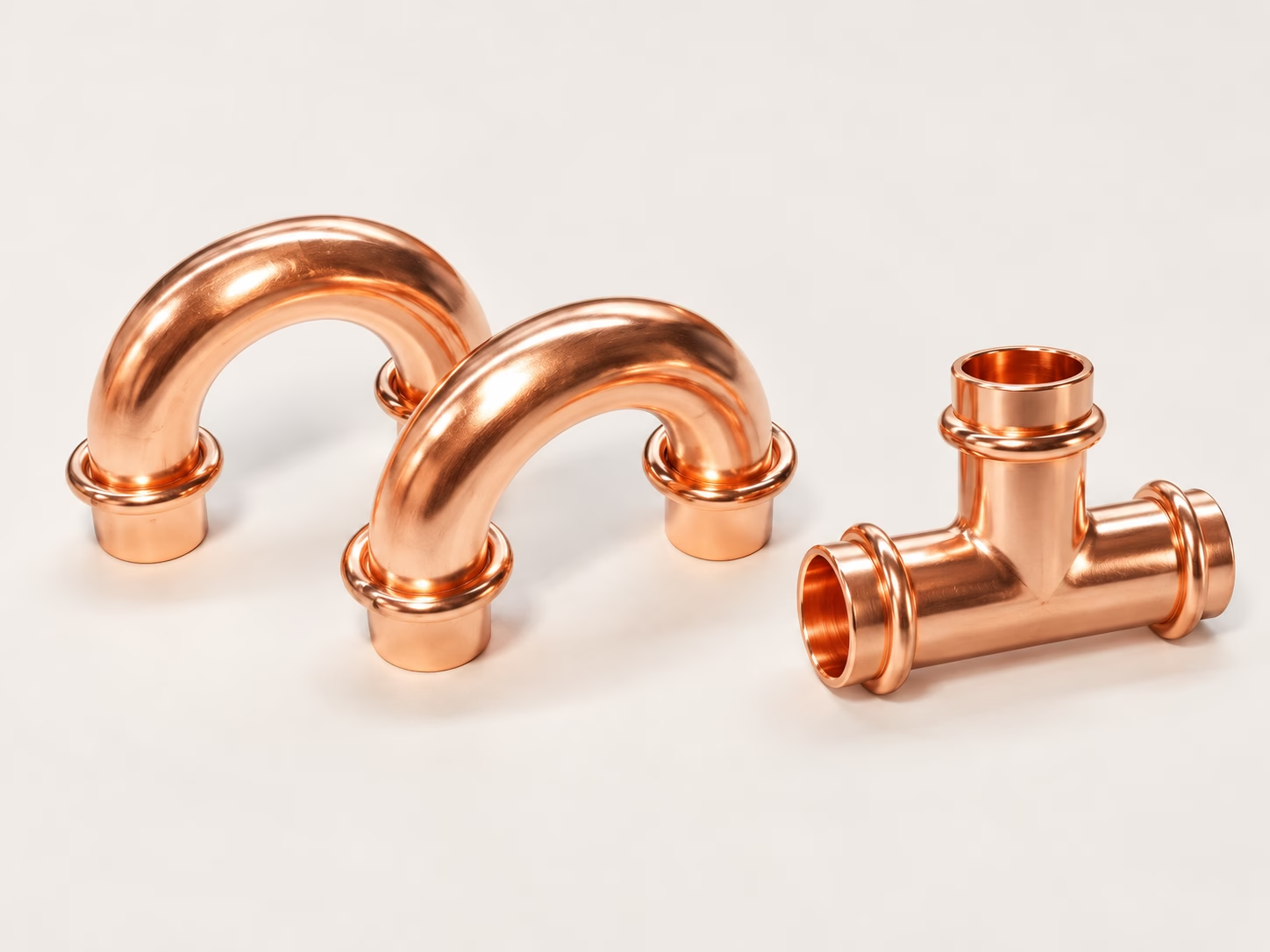
Copper tubing offers good formability, particularly in suitable annealed conditions. It can be processed into U-bends, return bends, branch connections, and multi-bend assemblies.
Common manufacturing operations include:
-
Tube cutting and bending
-
End expansion or reduction
-
Branch forming
-
Brazed or soldered connections where suitable
-
Dimensional inspection and leak testing
Bend radius, wall thickness, and material temper must be controlled to limit flattening, wrinkling, and cracking.
Copper components are especially useful when a tube route contains several bends or requires connections to existing copper refrigeration circuits.
Aluminum Tube Bending and Joining
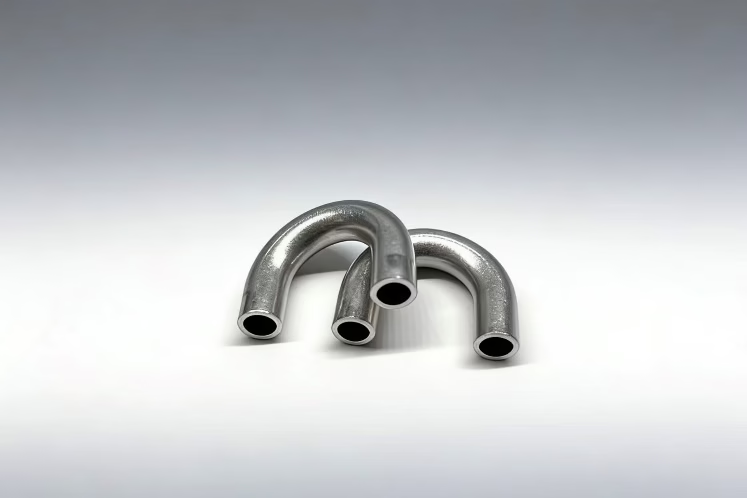
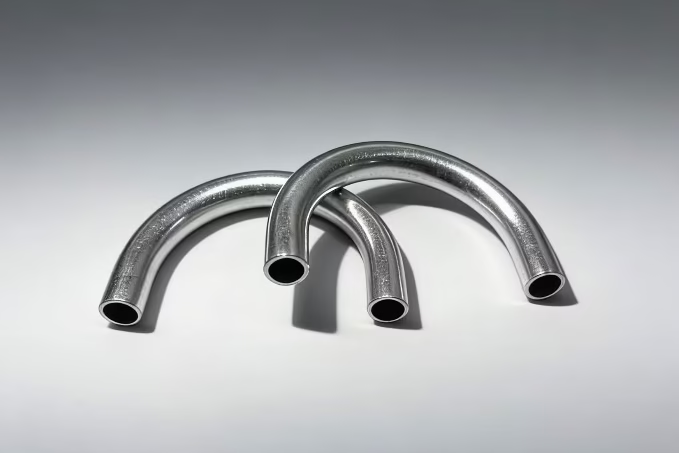
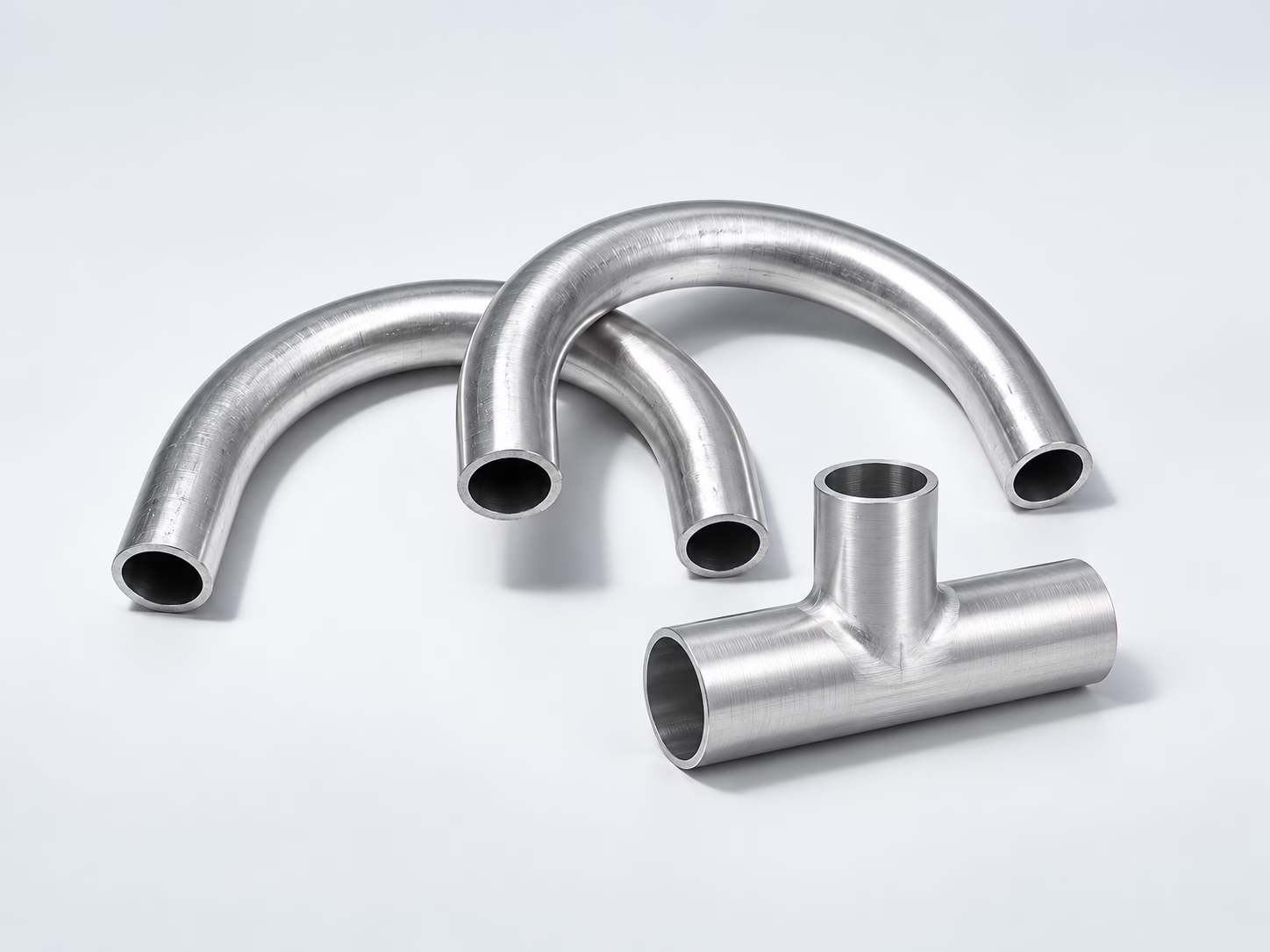
Aluminum tubing can also be bent and formed into refrigeration components, but alloy and temper selection are important.
Improper forming conditions may cause cracking, excessive ovality, or inconsistent bend dimensions.
Aluminum joining requires processes compatible with the selected alloy and joint geometry. Suitable methods may include specialized brazing, mechanical connections, or other qualified joining processes.
When aluminum tubing connects to copper, the transition joint requires additional engineering review.
For both materials, manufacturers should confirm tube dimensions, centerline bend radius, straight-end length, and joining requirements before approving production tooling.
Typical Applications in Refrigeration Systems
Copper and aluminum tubing are used in different areas of HVAC/R equipment, depending on the system design.
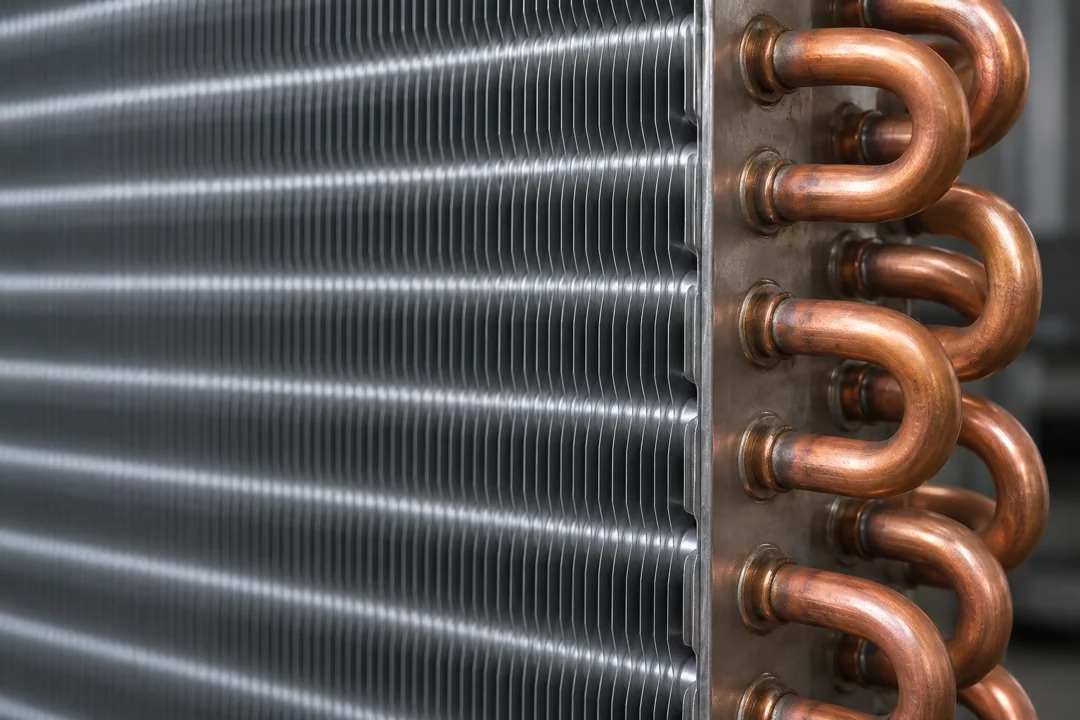
Evaporators and Condensers
Copper tubes are common in fin-and-tube heat exchangers. Aluminum is used in all-aluminum coils and other designs where low weight and material efficiency are priorities.
Refrigerant Lines
Copper is widely used for suction and liquid lines because of its established joining and installation practices. Aluminum lines are also used in compatible, purpose-designed systems.
Custom Tube Assemblies
Copper and aluminum can be formed into return bends, U-bends, tees, and connecting tubes. Material selection depends on the equipment layout, joint design, and production requirements.
How to Choose Between Copper and Aluminum Tubing
Start with the refrigeration system requirements rather than comparing raw material prices alone.
1. Check refrigerant compatibility and operating conditions. Confirm the refrigerant, design pressure, operating temperature, and environmental exposure. Material and joint suitability must be evaluated for the complete system.
2. Review tube geometry. Consider outside diameter, wall thickness, bend radius, available installation space, and connection locations.
3. Evaluate manufacturing requirements. A component with multiple tight bends or complex joining operations may favor a different material from a simple straight tube.
4. Compare assembly cost. Include tooling, material consumption, joining operations, inspection, and expected production quantity.
5. Confirm inspection requirements. Dimensional accuracy, internal cleanliness, joint integrity, and pressure or leak testing should be specified according to the application.
For an existing refrigeration system, retain the approved material unless an alternative has been evaluated and validated by the equipment designer.
Custom Copper and Aluminum Tube Components from Yijin
Yijin manufactures copper and aluminum tube components for refrigeration and HVAC/R equipment, including U-bends, return bends, tee fittings, branch fittings, and formed tube assemblies.
We work from customer drawings to review material specifications, tube dimensions, bend geometry, connection ends, and inspection requirements.
Our product range includes Copper U-Bend Components and Aluminum U-Bend Components for drawing-based refrigeration applications.
For custom components, send us the tube drawing, material grade, dimensions, connection details, and estimated order quantity. Our team can review the manufacturing requirements and prepare a quotation based on the approved specification.
Frequently Asked Questions
1. Is copper or aluminum tubing better for refrigeration?
Copper is often preferred for refrigerant lines and complex assemblies because it is easy to form and has established joining methods. Aluminum is attractive for lightweight equipment and cost-sensitive heat exchanger designs. Both can perform well when correctly engineered. The final choice depends on system pressure, refrigerant compatibility, operating environment, and assembly design.
2. Does copper tubing transfer heat better than aluminum?
Yes. Copper has approximately twice the thermal conductivity of common aluminum grades. However, thermal conductivity alone does not determine heat exchanger efficiency. Tube wall thickness, surface area, airflow, refrigerant flow, and fin geometry also affect performance. An aluminum heat exchanger can achieve comparable system capacity through appropriate design.
3. Why do manufacturers use aluminum tubing instead of copper?
Aluminum offers substantially lower weight and generally lower raw material cost. These advantages are useful in large-scale production and equipment where weight reduction matters. Manufacturers must also consider the selected alloy, forming process, joining method, corrosion protection, and inspection requirements before changing from copper to aluminum.
4. Can aluminum tubing be connected to copper tubing?
Yes, but the joint must use a qualified connection method suitable for both metals and the refrigeration system. Direct contact in a wet environment can create galvanic corrosion risks. Special brazing techniques, mechanical connections, and protective joint arrangements may be used depending on the approved design.
5. Which material is easier to bend into refrigeration U-bends?
Copper generally offers excellent formability, especially in suitable annealed conditions. Aluminum can also be formed into U-bends, but the alloy, temper, wall thickness, and bend radius require careful selection. Both materials need appropriate tooling and dimensional control to prevent cracking, wrinkling, or excessive tube flattening.
6. Can Yijin manufacture custom copper and aluminum tubing components?
Yes. Yijin manufactures drawing-based copper and aluminum U-bends, return bends, tees, branch fittings, and formed tube assemblies. Customers can provide material requirements, tube dimensions, bend geometry, connection details, inspection criteria, and order quantities. We review these specifications before confirming the manufacturing arrangement and quotation.