
Connections for refrigeration equipment
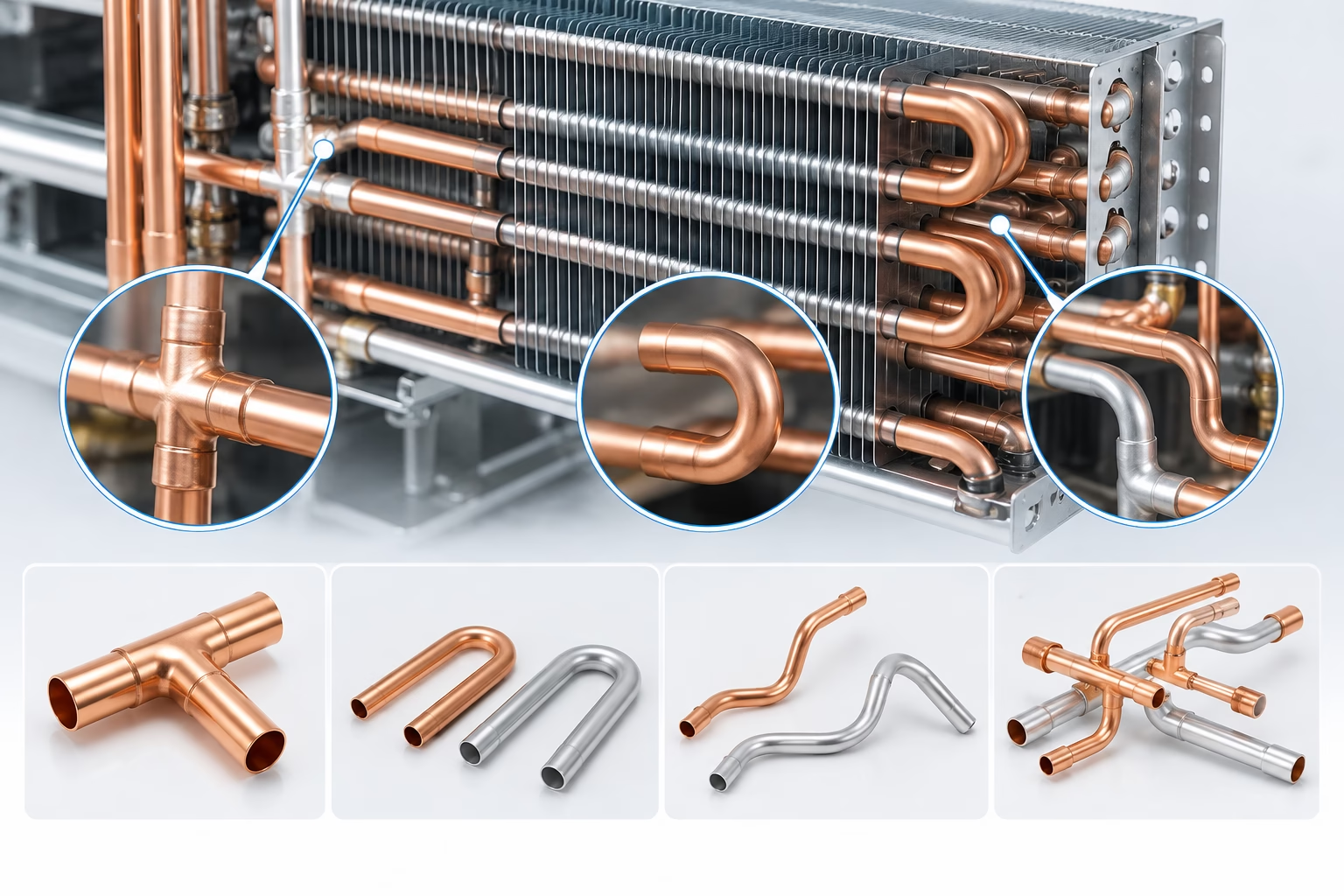
Copper tube connections are widely used in refrigeration equipment to connect condensers, evaporators, compressors, and other system components. Each connection must match the tube layout, maintain a reliable seal, and withstand the operating conditions of the refrigeration system. Yijin manufactures custom copper tube components to meet different equipment designs and assembly requirements.
Condenser Connections
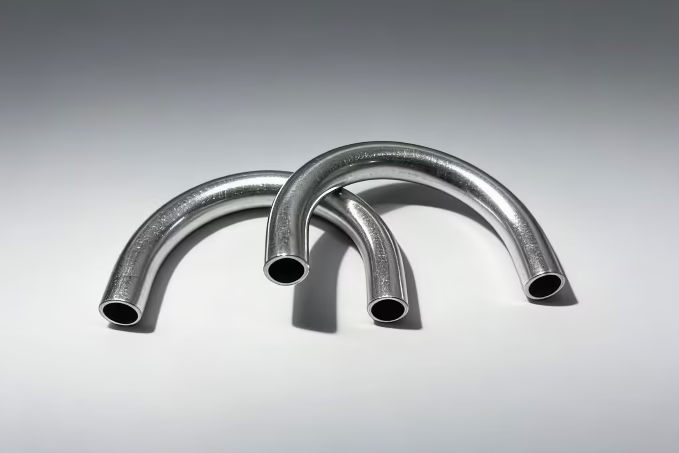
Copper return bends and formed tubes connect adjacent tube sections in condenser assemblies. Accurate tube spacing and end dimensions help ensure proper alignment and installation.
Evaporator Connections
U-bends and custom copper tube fittings provide return connections in evaporator coils. Their bend radius, tube diameter, and leg spacing are designed to match the coil layout.
Compressor Connections
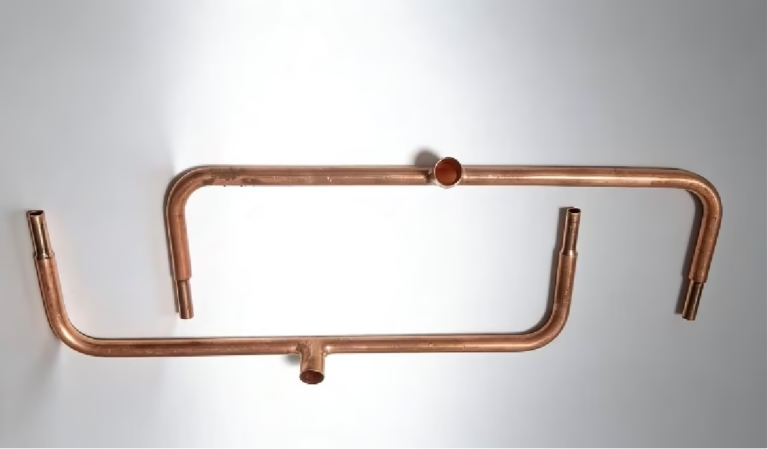
Custom bent copper tubes connect compressors with other refrigeration components. Tube routing and connection positions must account for limited installation space and equipment vibration.
Refrigerant Branch Connections
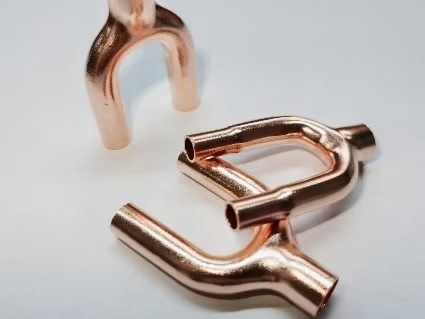
Copper tee fittings and branch tubes divide or combine refrigerant flow between different circuits. Branch diameter, connection angles, and end configurations are specified according to the system design.
Tube routes for compact assemblies
Yijin manufactures copper and aluminum connection components for refrigeration equipment. Review tee junctions, return bends and formed tube routes as part of the component scope.
Each part is defined by the approved drawing; material and joining requirements follow the intended assembly.
Choose the right connection family
Select a component family, then confirm the details against your drawing.
Copper connections & assemblies
Review branch junctions and drawing-specific formed tube routes. Explore copper tube assemblies →
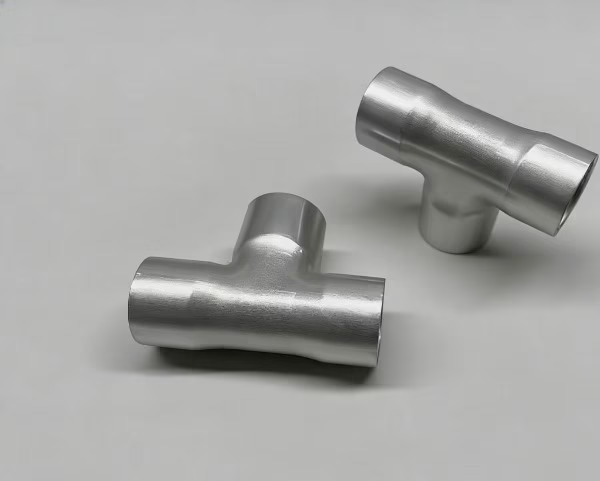
Aluminum tees & return bends
Specify the alloy, tube geometry and mating-end details for your assembly. Explore aluminum tee fittings →
A clear route from drawing to sample
Share the component drawing and, where useful, the surrounding equipment layout. Sample review focuses on the connections and inspection requirements agreed for that part.
Define the component: Send the drawing, material and expected quantity.
Review the interfaces: Confirm tube routes, connection ends and clearances.
Check the sample: Review fit, dimensions and specified cleanliness.
Agree the order: Confirm drawing revision, inspection scope and packaging.